Larry Bensignor on why strong institutions matter.
On leadership, trust, community investment, and the characteristics that define organizations built to endure.
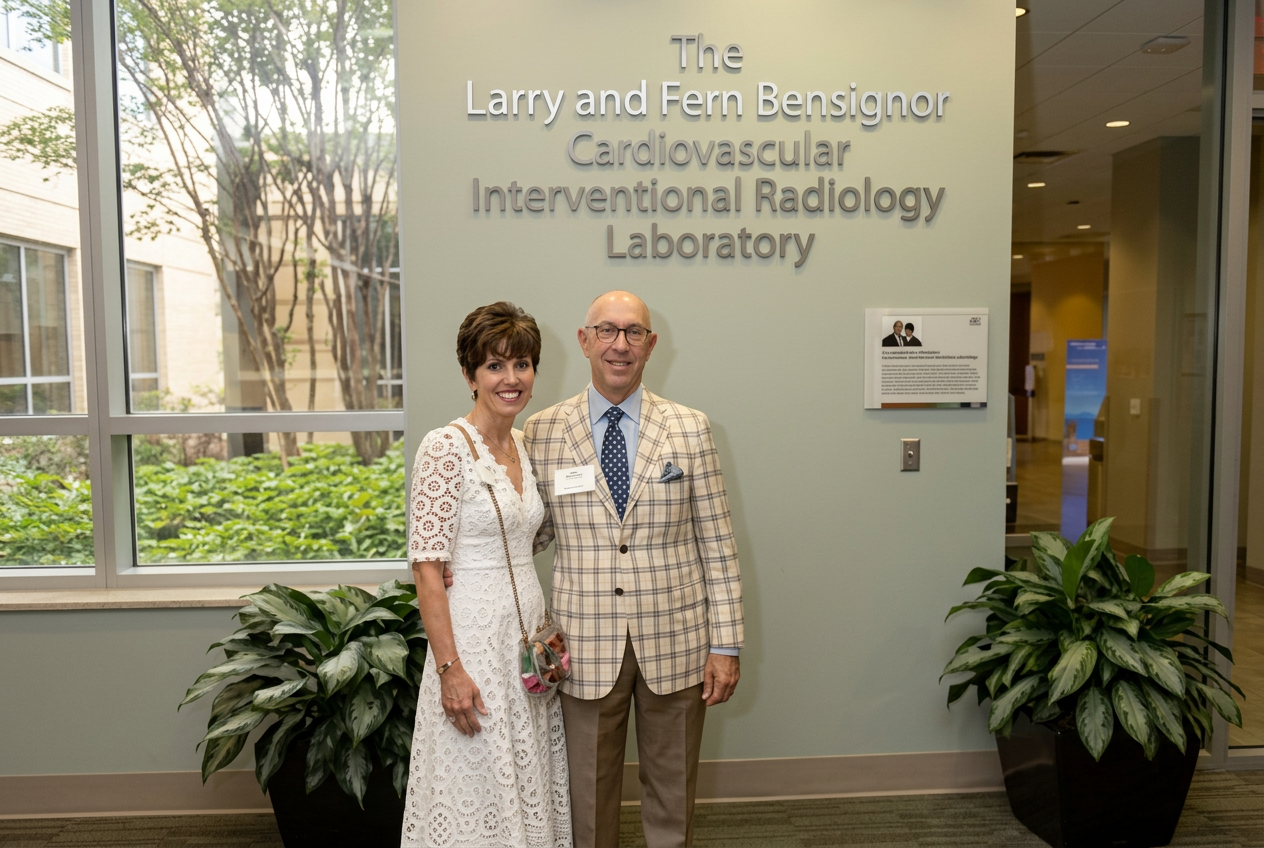
Throughout his career in finance, business leadership, and community service, Larry Bensignor has worked with organizations of all types — from financial institutions to healthcare systems and nonprofits — and observed firsthand what separates organizations that endure from those that struggle to adapt. In this interview, he shares his thoughts on leadership, trust, community investment, and the characteristics that define strong institutions.
Do you see similarities between strong financial institutions and strong healthcare institutions?
The word “institutions” implies stability and longevity. Shady Grove’s parent, Adventist HealthCare, began more than 120 years ago, and Shady Grove Medical Center is approaching its 50th. Many local, regional, and national banks have similar histories. Times change. Industries change. Regulations change. Customer and patient needs evolve.
The organizations that survive and thrive are those that adapt while remaining true to their mission. If I had to identify one characteristic shared by successful organizations of any kind, it would be strong leadership. A manager executes a vision; a leader creates one — and surrounds themselves with talented people capable of helping achieve it.
What makes an institution worthy of long-term support and investment?
No institution is entitled to long-term support simply because it exists. Trust must be earned. It is sustained performance that gives an organization the right to community investment — people have to see it as a genuine asset, something whose absence would be felt.
At two o’clock in the morning, when a life-threatening emergency strikes, it matters greatly where the ambulance takes you or your loved one. Institutions must perform at the highest level every day, and communicate that performance effectively so that reality and reputation reinforce each other.
What does responsible leadership mean to you today?
Over a four-decade career as a lawyer and business executive, I learned that leadership begins with service. Whether your responsibility is to a client, a business, or the broader community, your obligation is to make things better. Leadership cannot be about ego or personal ambition — it has to be about serving something larger than yourself.
Leadership requires vision, communication, and the ability to inspire confidence and motivate others to follow. Most importantly, it must be focused on the greater good.
What role does philanthropy play in strengthening communities?
Philanthropy helps transform a geographic area into a true community. Government funding supports many important services, but it does not fund everything that makes a community strong. Many organizations that improve lives depend upon charitable support.
One example is Hope Connections for Cancer Support, an organization in which I am deeply involved. They provide emotional, social, and wellness support to cancer patients and their families at no cost to those receiving services. That work exists because community members choose to support one another. Ultimately, philanthropy is people helping neighbors.
For people considering supporting institutions that have made a difference in their lives, what would you tell them?
Go for it — and thank you. One of the things I learned after surviving my heart attack is that gratitude became a central part of who I am. Expressing gratitude is part of the healing process.
Giving back benefits the institution, but it also benefits the donor. Knowing that you have helped create opportunities, improve care, or strengthen your community brings a sense of fulfillment that is difficult to describe. Do the community good. Do yourself some good. Give.
What perspective do you value most today?
Get involved. Don’t simply stand on the sidelines. Become a leader. Give your best effort every day. Do the right thing, even when it isn’t convenient.
The most important asset on your financial statement isn’t found in the numbers — it’s your name at the top. Protect it. Earn it. Live up to it.